
Luffa (Loofa)
11/29/2024

In my Taiwanese village, every house was adorned with luffa vines trailing across rooftops and garden walls, their tender fruits gracing our dinner tables and their dried fibres serving as natural sponges. When I moved to London, I found myself gazing at my tiny 1.5-square-metre balcony overlooking a park and wondered: could I recreate a bit of my childhood here by growing luffa?
My first attempts at germinating the seeds indoors failed, until I discovered the secret: a heating pad and a covered propagator to create the perfect microclimate. After a fortnight of anxious waiting, the seeds finally sprouted. The young plants quickly outgrew our cramped flat, so I improvised by planting them directly into a bag of compost on the balcony. What happened next was remarkable - the vines transformed our modest space into a verdant jungle, climbing along window curtain rails and light fittings when they ran out of room outside. Our little urban oasis flourished, with geraniums trailing from the railings and cheerful sunflowers standing guard in their pots. Each morning, I'd savour my cup of tea whilst admiring this slice of tropical life in the heart of London. When we finally harvested three plump luffa fruits - something I'd never imagined possible in British weather - I felt a profound connection to my childhood home.

While luffa might seem exotic to British gardeners, in Taiwan it's as common as runner beans are here. Back home, these prolific vines would scramble across every available surface, requiring little more than sunshine and the occasional watering to thrive. As the neighbourhood's designated climber, I spent many happy afternoons after school scrambling onto rooftops to harvest the tender fruits for elderly neighbours. These memories of luffa - both as a cherished vegetable and a community connector - make me eager to share this versatile plant with you.
The Secret Life of Luffa
Imagine a plant that can be both your dinner and your washing-up sponge. That's luffa, a fascinating member of the cucumber family (Cucurbitaceae). Like its cousins the courgette and cucumber, it produces sprawling vines adorned with cheerful yellow flowers. But what makes luffa truly remarkable is its versatility.
When young, the entire plant is a culinary treasure - from its tender fruits to its delicate flowers, shoots, and even tendrils. These appear regularly in East and Southeast Asian cooking, lending a subtle sweetness to stir-fries, soups, and salads.
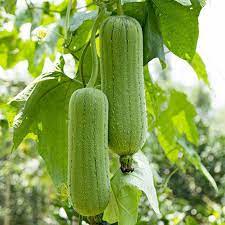
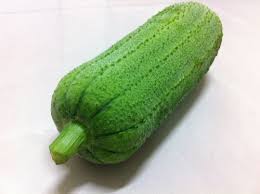
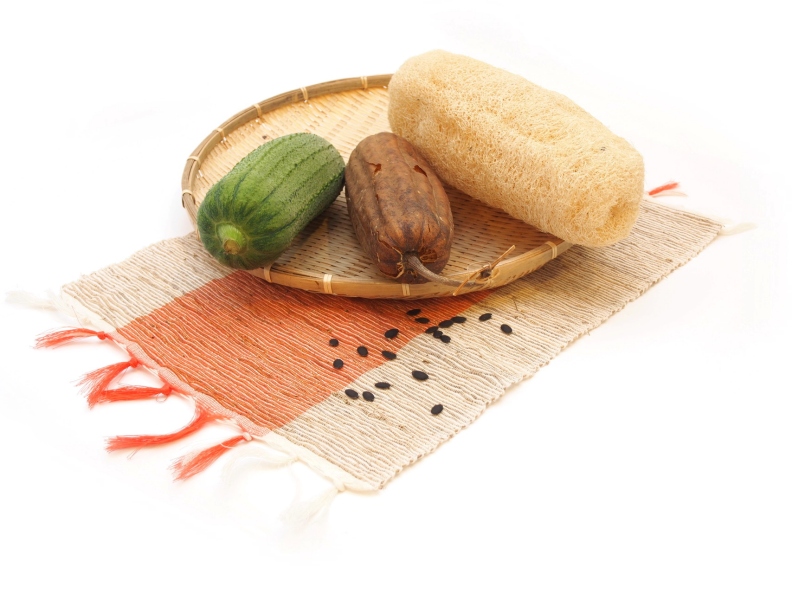
However, leave the fruits to mature on the vine, and they transform into something entirely different. The flesh develops into a network of sturdy, natural fibres that, once dried and cleaned, create those familiar bath sponges you might have seen in shops. These sustainable scrubbers are perfect for everything from washing dishes to exfoliating skin.
Growing Luffa in British Gardens
Growing luffa in the UK presents some unique challenges, but with the right approach, it's entirely possible. Here's what you need to know:
Temperature and Timing
- Optimal growing temperature: 20°C to 35°C (flowering begins at 25°C)
- Minimum temperature: 10°C (protect plants when temperatures drop below this)
- Growing season needed: 150-200 frost-free days
- Best UK growing period: March (indoor starting) to September
Choosing Your Variety
For British gardens, I recommend Luffa aegyptiaca (also called Luffa cylindrica). This versatile variety is ideal for both eating and sponge-making, and it's the hardiest option for our climate. While Luffa acutangula (Ridge Gourd) offers excellent eating quality with its distinctive ridged fruits, it needs more heat and a longer season to thrive in the UK.
Location and Protection
- A greenhouse is ideal but not essential if you are at the warm south
- Choose a sheltered, south-facing wall or fence
- Consider using cloches or polytunnels for extra warmth
- Conservatories and sunny porches make excellent growing spaces
Step-by-Step Growing Guide for British Gardens
Starting Seeds (March-April)
- Soak seeds in warm water for 24 hours before sowing
- Use a heated propagator or warming mat (around 20°C)
- Plant seeds 2.5cm deep in individual pots of seed compost
- Keep soil consistently moist but not waterlogged; a seeding tray with a cover will help
- Expect germination within 7-14 days
Supporting Young Plants (April-May)
- Move seedlings to 15cm pots when they have their first true leaves
- Maintain temperature above 15°C
- Place in the brightest possible position
- Begin hardening off in May when night temperatures stay above 10°C
Final Growing Position (Late May-June)
- Plant into final position when all frost risk has passed
- Space plants 45-60cm apart
- Provide strong support structure (trellis, sturdy netting, or wires)
- Add plenty of well-rotted compost or manure
- Water regularly, especially when flowering and fruiting
Training and Maintenance
- Guide young vines onto their supports
- Pinch out growing tips when vines reach desired height (the tips are edible; pan fry them as how you pan fry a veg)
- Remove any yellowing or diseased leaves
- Feed fortnightly with balanced liquid fertiliser (optional if you already provide plenty of good organic matters)
- Consider removing some flowers if growing in marginal conditions to focus plant's energy (optional, depending on your luffa’s condition)
Harvesting Your Luffa
For Eating (July-September in a good year)
- Watch for the cheerful yellow flowers - these are beloved by bees and are your first sign of fruits to come
- Young fruits will appear behind large leaves, usually reaching harvestable size within 5-7 days
- Harvest when fruits are:
- 20-30cm long
- Light green in colour
- Still tender when pressed gently
- Don't worry if you harvest slightly late - even slightly fibrous fruits are still perfectly edible
- Regular harvesting encourages more fruits to develop
For Sponges (September-October)
- Leave 2-3 fruits on the vine to fully mature
- Wait until fruits:
- Turn yellow or brown
- Feel very light when lifted
- Make a rattling sound (from the seeds inside)
- If frost threatens before fruits are fully dry, harvest and finish drying indoors
- Pro tip: Those fruits you accidentally left too long to eat? Perfect candidates for sponges!
Saving Seeds
- Select the largest, healthiest mature fruits for seed saving
- Make sure seeds are dried thoroughly before storing
- Store in a paper envelope in a cool, dry place
- Seeds remain viable for 2-3 years when properly stored
Processing Luffa Sponges
Remember those fruits you left to dry on the vine? Once they feel light as a feather and make a satisfying rattling sound, they're ready to become your very own natural sponges. First, peel away the brittle outer skin - it should come off easily when properly dried. Give the fibrous interior a gentle shake to remove the seeds (save these for next year!). Soak it in warm water, then rinse thoroughly and allow to dry completely. You can cut larger sponges into smaller pieces for different uses - firmer sections work brilliantly for dishes, while softer portions are perfect for gentle exfoliation.
Cooking with Luffa
With its delicate flesh and subtle sweetness, luffa has a texture similar to courgette but with a finer, more delicate character, making it a nutritious addition to any meal. At just 17 calories per 100g, it's perfect for light summer dishes. Here's my favourite way to prepare this versatile vegetable.


Classic Stir-Fried Luffa
A simple dish that lets the natural sweetness of luffa shine through
Ingredients
- 1 young luffa (about 25cm long)
- 2-3 cloves of garlic, finely chopped
- 1 thumb-sized piece of ginger, julienned (optional)
- Salt to taste
- Vegetable oil for cooking
- A splash of water
Preparation
- Peel the luffa skin
- Slice in half lengthways, then cut into half-moons about 5mm thick
- Have all ingredients ready before you start cooking, as this dish comes together quickly
Method
- Heat a large wok or frying pan over medium-high heat
- Add vegetable oil to your liking
- Stir-fry garlic and ginger until fragrant (a few seconds)
- Add sliced luffa, break them up a bit, mix with the existing garlic and ginger and a splash of water
- Cover and steam-fry for 2-3 minutes
- Check tenderness - cook until your preferred texture:
- 3-4 minutes for crisp-tender
- 5-6 minutes for fully tender
- The luffa will release its own sweet juice as it cooks. Season with salt to taste
- Optional: finish with a drizzle of sesame oil
Delicious Variations
- Add goji berries in the final minute for colour and nutrition
- Include clams at the beginning for a seafood twist
- Finish with a sprinkle of white pepper for gentle heat
Luffa Noodle Soup (Serves 2)

- Follow the basic stir-fry steps 1-4
- Add 1-1.5 litres of water or stock
- Bring to a simmer and you can add your choice to create a rich noodle bowl by adding for example, dried beancurd, mushrooms, sweetcorn, tofu, fresh prawns. If you prefer a simple, cleaner taste of luffa noodle soup, then skip this process and move on to the next step.
- Add noodles and cook until tender
- Optional: crack in eggs for the final 2 minutes and leave them undisturbed to be porched in the soup.
- Season with salt, white pepper, and a dash of sesame oil
Your Sustainable Living with Luffa
I remember watching Monty Don on Gardeners' World experimenting with growing luffa, and while I can't recall if his attempt was successful, I know from my experience that it's absolutely possible in British gardens. Yes, we might not get the abundant harvests you'd see in Asia, but even a modest crop can make a meaningful difference to your sustainable living journey.
Think about it - when you grow luffa, you're not just cultivating a vegetable. You're creating a little ecosystem in your garden. Those cheerful yellow flowers become a late-season feast for our precious pollinators, while the sprawling vines offer natural shade that helps conserve soil moisture. I love watching bees buzzing around the flowers on warm summer afternoons, knowing they're finding sustenance when many other plants have finished flowering.
But what really makes luffa special is its dual purpose. While you're enjoying the tender young fruits in your kitchen (with zero food miles and not a plastic wrapper in sight!), you're also growing your own natural cleaning tools. Those mature fruits that dry on the vine transform into home-compostable sponges that can replace countless plastic scrubbers in your kitchen and bathroom. It's rather magical how one plant can help reduce both food packaging and plastic cleaning tools from your household waste.
Even if you only manage to grow a few fruits in our temperamental British weather, each luffa plant represents a small but significant step toward more sustainable living. From the seeds you can save for next year's growing season to the composting of spent vines in autumn, every part of the plant plays its role in a more environmentally conscious household. It's these small changes, these thoughtful choices in our gardens, that collectively make a big difference. The cycle of growing, harvesting, eating, and composting luffa helps us find our rhythm with nature and reconnect with the earth in our own gardens.