
Ditch the Plastic - Natural Cleaning Tools from Earth's Fibres
12/11/2024

There's something deeply unsettling about the familiar plastic sponge sitting in our kitchen sink. While we mindlessly reach for it dozens of times each day, this seemingly innocent tool represents a larger pattern in our modern lives—how we've traded natural materials for synthetic ones, convenience for sustainability, connection for efficiency. Each plastic sponge we discard joins countless others in landfills, breaking down into microplastics that will outlive us all.
Yet nature offers us an abundance of cleaning tools, each with its own character and purpose. When I first started exploring these alternatives, I was amazed by their diversity—from the intricate structure of a luffa plant to the robust fibres of coconut coir. These materials tell stories of traditional wisdom and sustainable practices that we're only beginning to rediscover and reconnect.
What I've learned along this journey has changed not just how I clean my home, but how I think about our relationship with everyday objects. While the shift to natural, home-compostable cleaning tools might seem like a small change, it opens up a world of mindful choices and deeper connections to the materials we use. Through exploring these alternatives, we might find that nature has already designed perfect solutions to our cleaning needs—we just need to remember how to use them.
A Closer Look at Natural Materials
Each natural cleaning material tells its own story—of the place it grows, the people who traditionally harvested it, and the wisdom that discovered its unique properties. While some of these materials might be familiar from spa products or garden supplies, others have been nearly forgotten in our modern world. Yet each offers something special to our cleaning routine, often surpassing synthetic alternatives in unexpected ways.
Let me share what I've discovered about these remarkable materials:
• Luffa (Loofah):
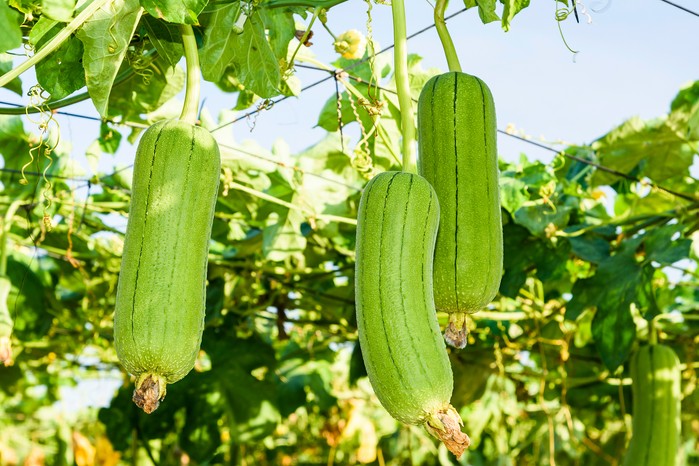
Growing up in Taiwan, luffa was simply part of daily life for me—I've even written another post about this versatile plant. So I'm always surprised when people mistake it for a sea sponge! This climbing vine might be nature's perfect example of zero waste. When young, its fruit appears in our stir-fries; left to mature, it develops an intricate fibre network that, when dried, becomes a naturally abrasive yet gentle sponge. The flowers and young shoots are treasured ingredients in our cuisine as well. What fascinates me most is how the mature luffa transforms in water, softening just enough to clean effectively while maintaining its structure—a property no synthetic sponge has quite managed to replicate.

• Coconut Coir:
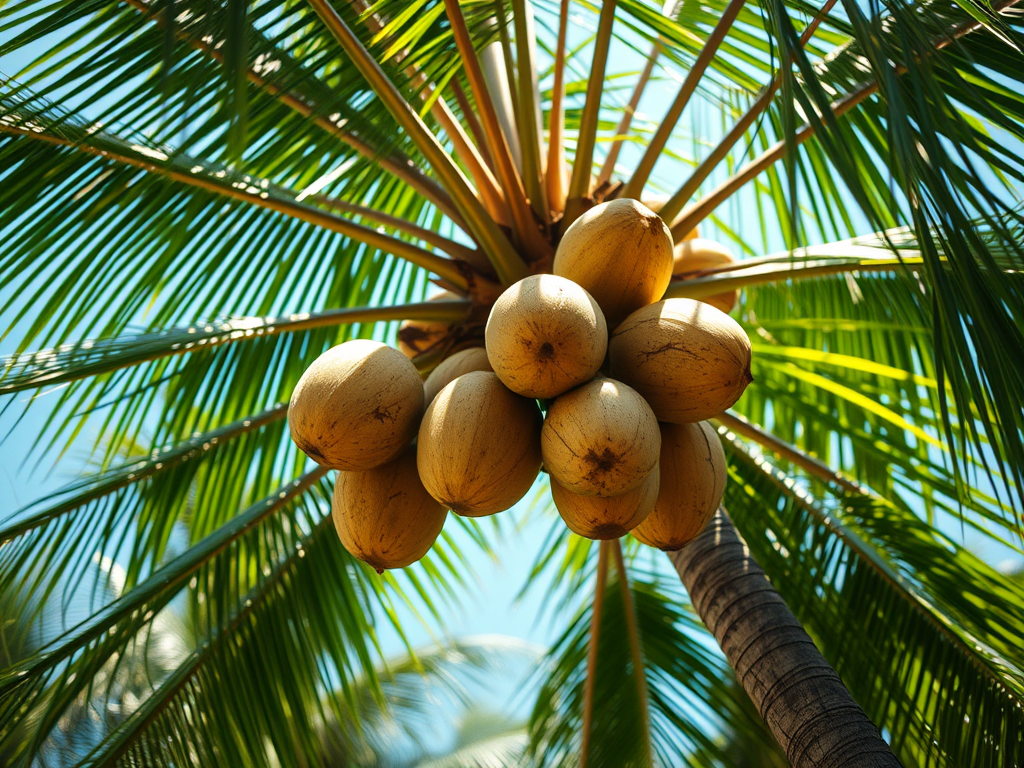
The humble coconut husk, often discarded as waste, holds a secret that traditional cultures have long known about. These coarse, resilient fibers—known as coir—create some of the most effective natural scrubbing tools available. What makes coir particularly interesting from a sustainability perspective is its origin story: it's a by-product of the coconut industry that would otherwise be left to decompose, potentially releasing methane. By transforming these fibers into cleaning tools, we're not just avoiding plastic—we're helping to close the loop in the coconut production cycle. Coir's natural coarseness makes it especially effective for tough cleaning jobs like burnt pans and stubborn grime.

• Sisal:
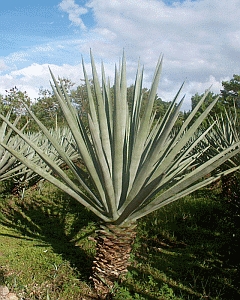
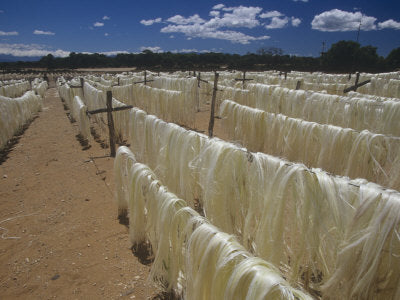
In the sun-baked regions of Mexico and East Africa, there grows a remarkable plant that teaches us about resilience. Sisal (Agave sisalana) has been cultivated for centuries by communities who understood its value. The Mayan civilization used these fibres extensively, developing techniques we still use today. The plant thrives in conditions that would challenge most crops, requiring virtually no irrigation or fertilizers. Its leaves yield some of nature's toughest fibres—so tough that they became essential to maritime trade, with ships relying on sisal ropes for their strength and resistance to saltwater. Yet unlike synthetic materials of similar strength, these fibres return harmlessly to the earth at the end of their life. This combination of durability and biodegradability makes sisal particularly interesting for cleaning tools, especially when we need something that can withstand repeated vigorous scrubbing.
• Agave Fibre:
While sisal comes from one specific species of agave, other agave plants offer their own unique fibres for cleaning. These desert-dwelling plants have evolved to be incredibly resource-efficient, producing strong, flexible fibres while using minimal water. What's particularly interesting about agave fibre is its versatility—depending on how it's processed, it can range from gentle enough for everyday cleaning to tough enough for stubborn grime. This adaptability, combined with the plant's natural resilience, makes agave fibre a particularly thoughtful choice for sustainable cleaning tools.

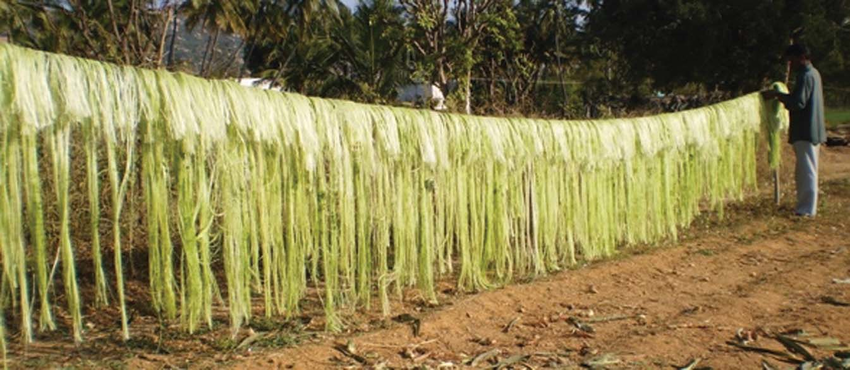
• Esparto:
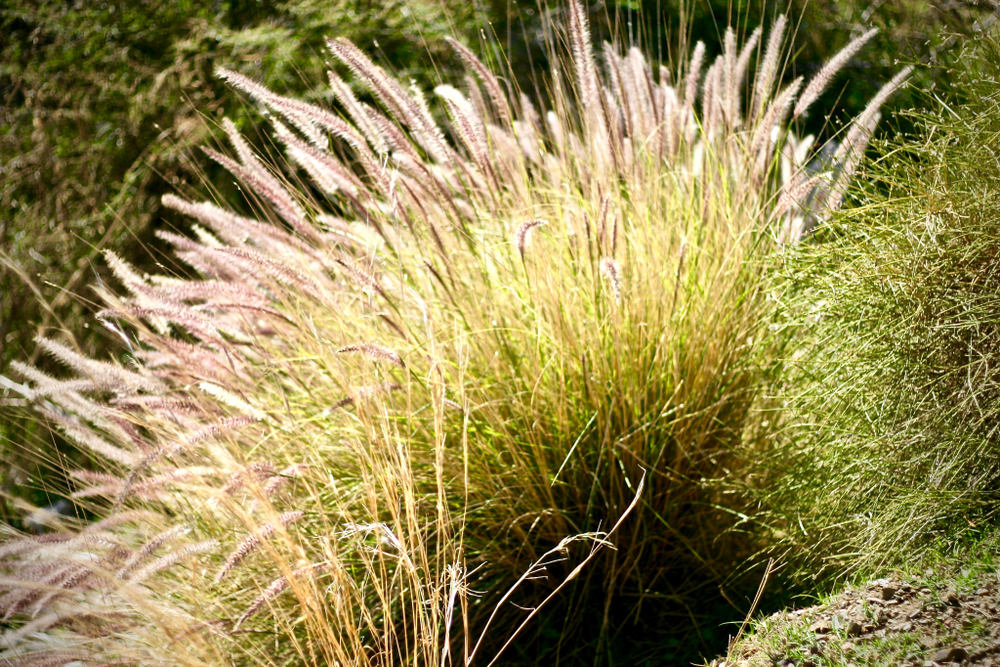
Along the sun-drenched Mediterranean coastlines grows a remarkable grass that has sustained local crafts for centuries. Esparto asks nothing of us—no cultivation, no irrigation, no pesticides—yet offers incredibly strong fibres that have traditionally been used for everything from rope to baskets. What makes this grass particularly special for cleaning tools is its natural resistance to water damage and its surprisingly coarse texture. While less known globally than other natural fibres, esparto represents the kind of overlooked treasure we often find when exploring traditional materials: sustainable, effective, and perfectly adapted to its purpose.
• Ramie:
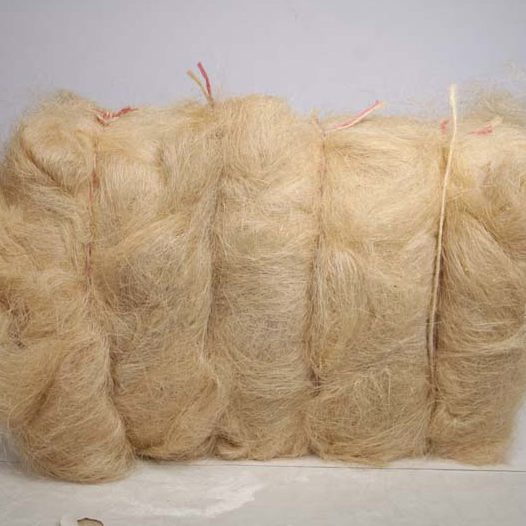
Known in China as "China grass," ramie tells a story that spans over 6,000 years of human cultivation. Ancient Egyptian mummies were wrapped in ramie fabric, and the fibre was so valued in China that it was known as "white silk" and reserved for imperial garments. This remarkable plant offers something quite special in the world of natural fibres—silky smoothness combined with surprising strength. While cotton has dominated the textile industry, ramie quietly continues its ancient legacy, producing fibres that need far fewer pesticides and can be harvested several times a year. In cleaning tools, ramie's unique properties shine: its naturally smooth fibres are gentle enough for delicate surfaces yet durable enough to withstand repeated use. It's a perfect example of how traditional materials often offer solutions that balance effectiveness with environmental care.
• Hemp:
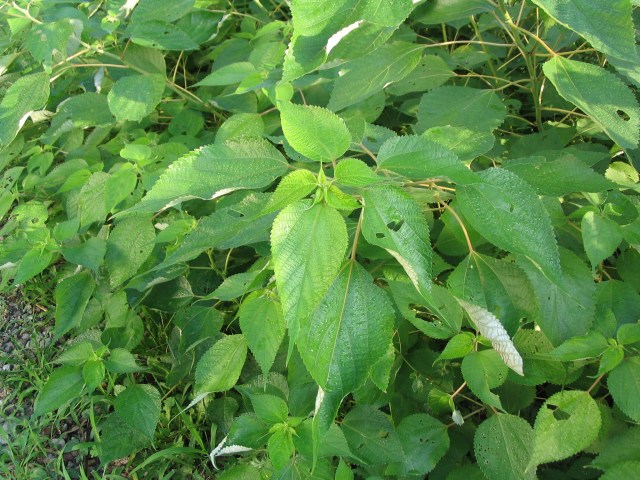
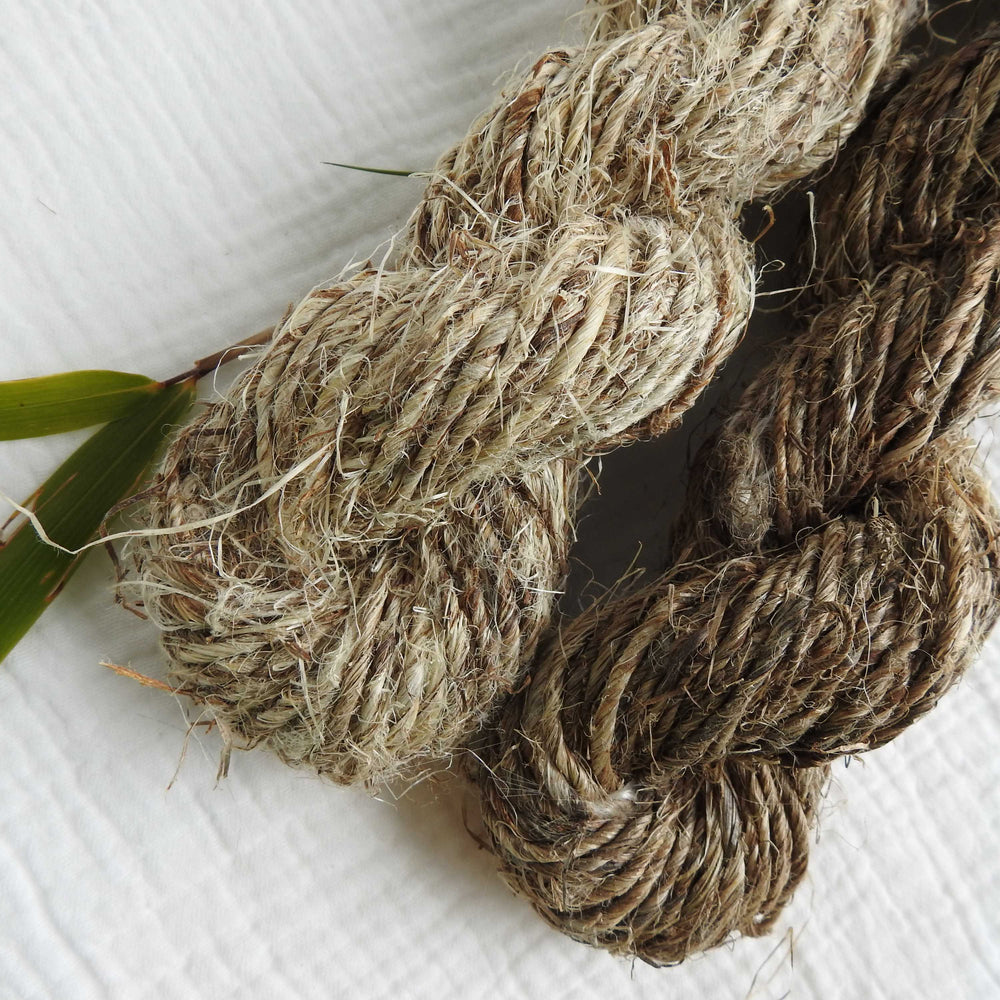
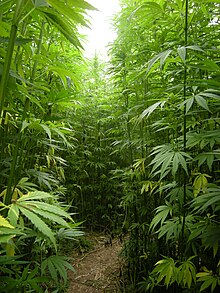
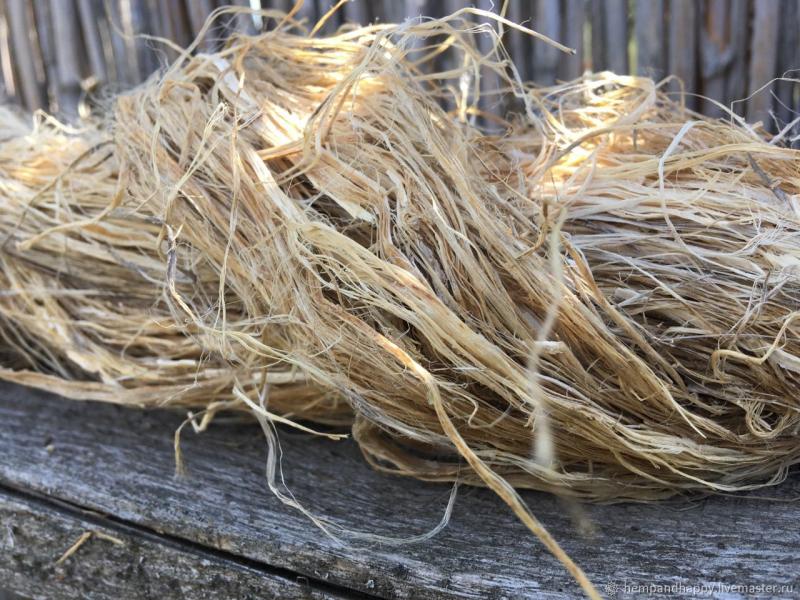
In the story of sustainable materials, hemp might be one of our most promising protagonists. Beyond its well-known uses in textiles and food, hemp emerges as a powerhouse in the world of cleaning tools. What makes hemp particularly remarkable is its environmental impact: it grows rapidly with minimal water, naturally resists pests without chemical assistance, and actually improves soil health as it grows. Each hemp plant can capture more carbon dioxide than many trees, making it a climate champion in its own right. When transformed into cleaning tools, hemp fibres reveal another fascinating quality—they become softer and more supple with use, while maintaining their strength. It's as if the material adapts to work alongside us, becoming more effective with each use.
• Banana Leaf Fibre:
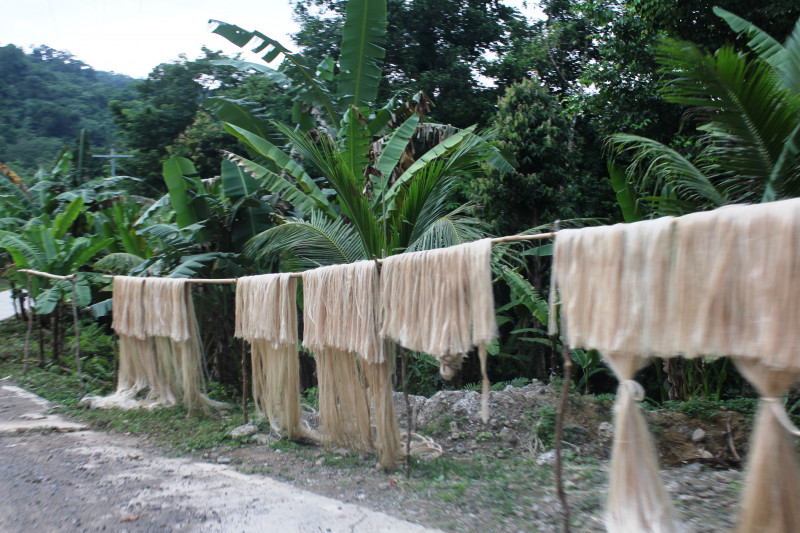
In regions where bananas grow, a remarkable transformation is taking place. What was once considered agricultural waste—the thick, fibrous stems and leaves of banana plants—is being rediscovered as a valuable resource. After each banana harvest, vast amounts of plant material typically return to the soil or, in some cases, are burned. But these leaves and stems contain strong, flexible fibres that, when extracted and processed, create effective cleaning tools. It's a beautiful example of circular thinking: taking what would be waste from one of the world's most widely cultivated fruits and turning it into something useful, before it eventually returns to the soil. The fibres offer a unique combination of strength and softness, making them particularly suitable for everyday cleaning tasks.

• Jute:
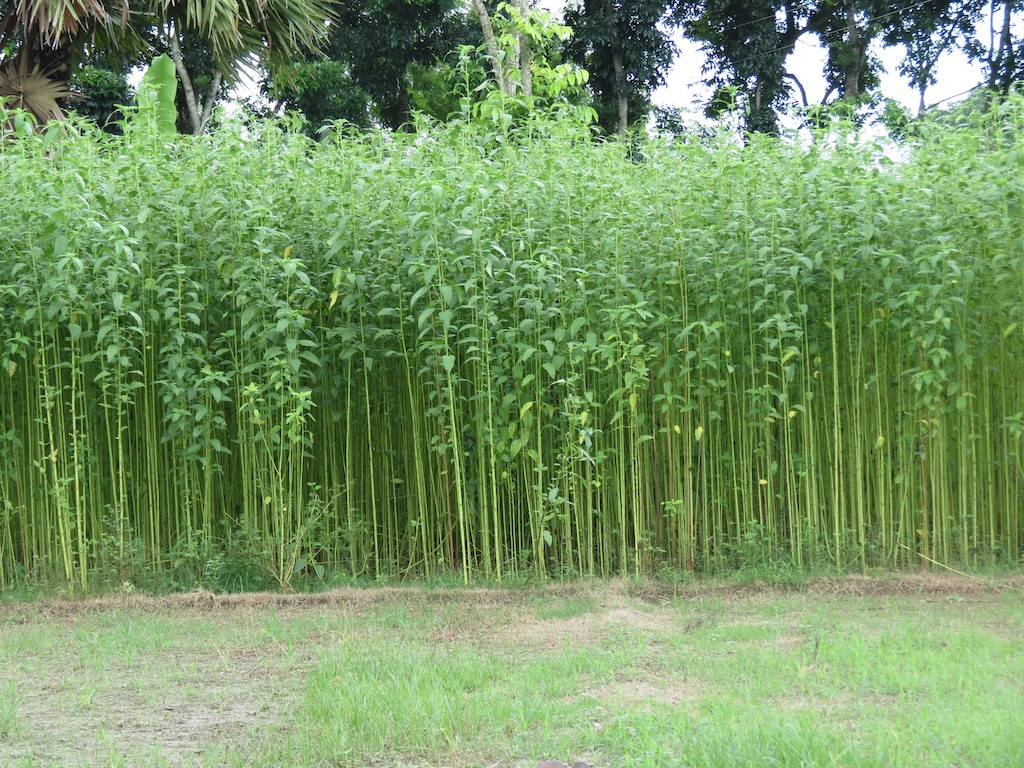
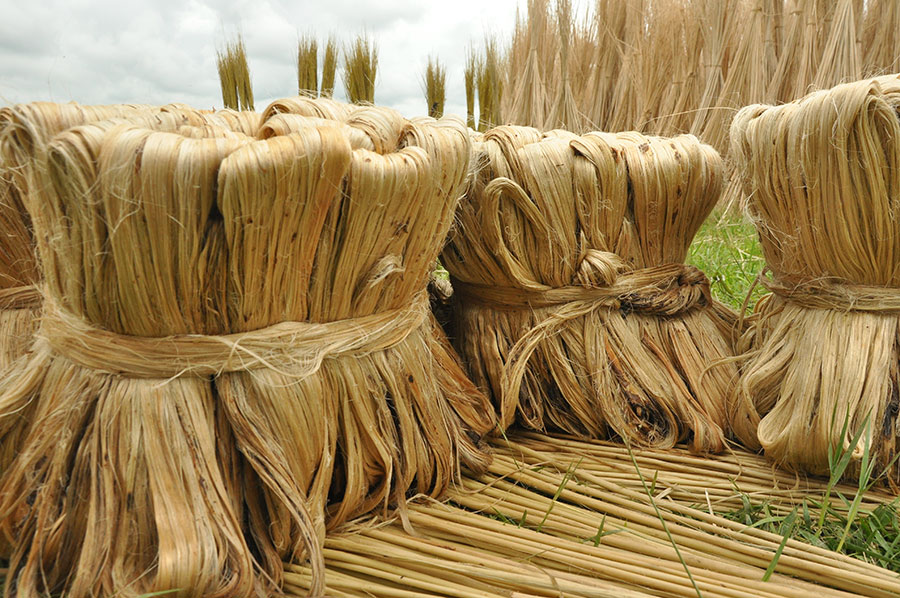
There's a reason why jute earned the nickname "golden fibre" in regions where it's traditionally grown. This remarkable plant offers a masterclass in ecological efficiency: it grows rapidly without demanding pesticides or fertilizers, while simultaneously acting as one of nature's most effective carbon capturers, absorbing CO₂ at an impressive rate. When transformed into cleaning tools, jute's natural texture provides effective scrubbing power while maintaining a certain rustic charm. But perhaps what's most compelling about jute is its accessibility—it's one of the most affordable natural fibres available, making it a practical choice for those beginning their journey away from synthetic materials.
• Linen (Flax):
While linen might be best known for its luxurious fabrics, this versatile plant has much more to teach us about sustainable living. In the cooler climates of Europe where it traditionally grows, flax demonstrates remarkable efficiency: it grows quickly with minimal water, adapts well to local conditions, and offers us every part of itself for use. From the seeds (nutritious flaxseed) to the stalks (strong fibres) to the remaining parts (which can be turned into building materials), nothing goes to waste. When these fibres are transformed into cleaning tools, they bring an unexpected elegance to everyday tasks—soft yet durable, becoming smoother with each use, and eventually returning completely to the earth. It's a beautiful reminder that sustainability doesn't mean sacrificing quality or refinement.


The world of natural fibres extends even further, with materials like pineapple leaf fibre, kapok, and dogbane showing promising potential for sustainable cleaning tools. As we continue to rediscover traditional materials and explore new possibilities, the options for plastic-free cleaning keep expanding.
Matching the Material to the Job
One of the most fascinating aspects of natural cleaning tools is how their varying textures and properties suit different tasks—almost as if nature designed a complete cleaning kit for us. Just as modern synthetic tools come in different forms for specific purposes, traditional materials offer their own range of options, from the gentlest wiping to the toughest scrubbing. What makes natural materials particularly interesting is how their properties can change with use and conditions—a luffa softening in water, hemp becoming more supple over time, or sisal maintaining its scrubbing power through repeated use. Understanding these natural characteristics helps us choose the right tool for each job, often providing effective alternatives to synthetic options.
In the Kitchen:
The kitchen presents some of our biggest cleaning challenges, from delicate wine glasses to stubbornly burnt pans. Natural materials offer a surprising range of solutions:
• Light Cleaning: Think of wiping down a cherished wine glass or cleaning a delicate ceramic bowl. For these gentle tasks, the softer natural materials shine. A cloth made from hemp, linen or ramie provides the perfect touch—absorbent enough to handle spills, yet gentle enough to prevent scratches. Wood pulp (cellulose) sponges offer similar gentleness while holding just the right amount of water for cleaning glassware and delicate surfaces.
• Moderate Cleaning: This is where the versatility of natural materials becomes apparent. A luffa sponge, for instance, transforms when wet—becoming just abrasive enough to tackle daily dishes while remaining gentle on surfaces. Jute and hemp pads offer similar versatility, with enough texture to lift food residue but not so much that they'll damage non-stick coatings. These materials seem to find the sweet spot between effective cleaning and surface protection.
• Heavy-Duty Cleaning: When faced with burnt-on food or tough grease, natural materials prove they can handle the challenge. Coconut coir pads bring impressive scrubbing power to stubborn messes. Sisal brushes, with their robust fibres, tackle tough cleaning jobs with remarkable efficiency. Esparto grass pads, though less known, offer surprisingly effective scouring power for particularly challenging tasks like cleaning grills or removing baked-on residue.
For Body Scrubbing
Our skin deserves special consideration when choosing natural scrubbing materials. The right balance of gentleness and effectiveness is crucial, and nature offers perfect solutions for every level of exfoliation needed:
• Gentle Exfoliation (Face and Sensitive Areas): When it comes to delicate facial skin, gentleness is paramount. Hemp and linen fabrics offer whisper-soft exfoliation—their natural fibres become even softer with washing while maintaining just enough texture to remove dead skin cells. Ramie cloth provides similar gentleness with excellent absorption, making it perfect for facial cleansing. A soft luffa can be surprisingly gentle, especially when dampened, offering the lightest touch for sensitive skin care.
• Moderate Exfoliation (Body): For daily body care, nature provides options that invigorate without overwhelming. A mature luffa sponge creates the perfect balance—its natural fibre network provides consistent, comfortable exfoliation while its ability to hold water helps create a luxurious bathing experience. Hemp mitts offer adaptable texture, becoming softer with use while maintaining effective exfoliation. Banana fibre pads bring a unique quality to body scrubbing—their natural fibres provide gentle yet thorough exfoliation while helping to stimulate circulation.
• Deep Exfoliation (Heels, Feet): Even for the toughest exfoliation needs, natural materials prove their worth. Sisal brushes bring impressive scrubbing power to callused areas, while agave fibre pads offer robust exfoliation that helps smooth rough patches. Coconut coir, with its sturdy fibres, tackles the toughest areas effectively. What's remarkable about these stronger materials is how they can be so effective while still being biodegradable—something plastic alternatives can't match.
General Household Cleaning
Beyond the kitchen and bathroom, our homes present diverse cleaning challenges that natural materials are surprisingly well-equipped to handle:
• Gentle Cleaning (Bathroom and Surfaces): For everyday cleaning of mirrors, tiles, and polished surfaces, the softer natural fibres excel. Ramie and hemp cloths bring a streak-free shine to mirrors and glass, their natural absorbency helping to prevent water marks. Linen cloth, with its smooth yet slightly textured surface, proves perfect for polishing sinks and faucets. A dampened luffa sponge can transform into an effective tile cleaner, its natural texture lifting dirt while being gentle enough for regular use.
• Moderate Cleaning (Ovens and Kitchen Equipment): When facing built-up grime and grease, nature's tougher fibres come into play. Coconut coir pads tackle stubborn spots with impressive efficiency, while agave fibre pads offer just the right balance of scrubbing power and control. Jute pads bring surprising versatility to these tasks—tough enough for baked-on residue but manageable enough for regular cleaning of stovetops and counters.
• Heavy-Duty Cleaning (Tools and Equipment): For the most challenging cleaning tasks, natural materials reveal their true strength. Sisal brushes, with their robust fibres, can handle everything from scrubbing grout to cleaning outdoor furniture. Coconut coir and esparto grass pads prove remarkably effective on tough jobs like removing rust or cleaning garden tools. What's particularly impressive is how these materials maintain their scrubbing power through repeated use while remaining completely biodegradable.
The Art of Material Forms
One of the most fascinating aspects of natural cleaning materials is how their properties transform through different processing methods. Take hemp, for example: the same fibres that make a gentle polishing cloth when finely woven can become a robust scrubbing pad when twisted and bound differently. This versatility isn't just clever manufacturing—it's about understanding and working with the inherent properties of each material.
When choosing your natural cleaning tools, consider this interplay of three key elements:
1. Your Cleaning Challenge: Think about what you're actually trying to achieve. Are you removing dust from a delicate surface, tackling sticky residue, or breaking down stubborn grime? Each task calls for different properties in your cleaning tool.
2. The Material's Natural Properties: Consider how each fibre behaves—hemp's strength and absorbency, luffa's natural network structure, or sisal's robust scrubbing power. These inherent characteristics form the foundation of how the material will perform.
3. The Processing Method: The way a material is prepared dramatically affects its final properties. A loosely woven cloth offers gentle wiping, while the same fibres tightly twisted might create an effective scrubber. The specific form also impacts functionality—a tightly woven pad with thick twine might offer excellent scrubbing power but struggle to reach corners, while a more flexible weave might sacrifice some strength but excel at accessing tight spaces. Even the direction of the weave can affect how well a tool captures dirt or reaches into grooves.
While these material properties and variations guide us toward more sustainable choices, the growing popularity of natural cleaning tools has created new challenges in the marketplace. Let's explore how to navigate these thoughtfully.
Navigating the Complex World of Greenwashing
The growing interest in sustainable products has created an interesting dynamic in the marketplace. While traditional craftspeople continue making cleaning tools in harmony with nature's rhythms, larger manufacturers are rushing to meet the rising demand for "natural" products. This has led to some practices that deserve our attention, especially when we're trying to make truly sustainable choices.
• The Hidden Story of Chemical Treatments
When exploring natural cleaning tools, I've learned to look beyond the "natural" label. Many materials undergo chemical processing that can compromise their environmental benefits. A luffa sponge, for instance, might be bleached white or treated with softening agents—processes that not only introduce harmful chemicals but also weaken the material's natural properties. Some manufacturers even use formaldehyde-based treatments, turning what should be compostable into something that leaves chemical residues in our soil.
What to look for? Products labelled as "unbleached," "untreated," or processed using traditional methods often maintain both their natural integrity and their environmental benefits. The naturally golden colour of an untreated luffa or the earthy tone of raw hemp tells us we're getting something closer to nature's design.
• The Color Conundrum
The appeal of brightly coloured cleaning tools is understandable—they can bring a cheerful touch to everyday tasks. However, these vibrant hues often come at an environmental cost. Synthetic dyes used to colour natural fibres can leach into waterways during production and compromise the material's biodegradability. More concerning is how these dyes might transfer to our skin or surfaces during use.
Instead, consider embracing the natural palette these materials offer: the warm browns of coconut coir, the subtle greens of sisal, or the gentle beige of hemp. If you do prefer coloured items, look for those using plant-based dyes, which maintain the material's compostability while adding a safe, natural colour.
• The Hidden Plastic Puzzle
Sometimes the challenge lies in the details we might overlook. A cleaning tool marketed as "natural" might still harbour synthetic elements: plastic threading holding the fibres together, synthetic adhesives binding the layers, or plastic-based labels attached to the product. These seemingly small additions can prevent what should be a fully biodegradable item from breaking down naturally. It's like having a single plastic button on an otherwise compostable cotton shirt—that one small component changes the entire end-of-life story.
Look for products that thoughtfully consider these details, using natural alternatives like cotton/all-natural-fibre stitching, plant-based adhesives, or simple paper tags. Some manufacturers have begun explicitly listing all components, making it easier to identify truly plastic-free options. The best choices often come from artisans and small-scale producers who maintain traditional manufacturing methods, where natural materials are worked together without synthetic bindings.
• The Packaging Paradox
Perhaps the final irony in our quest for natural cleaning tools is finding a perfectly sustainable product wrapped in layers of plastic packaging. It's particularly common with mass-produced items, where plastic packaging often serves the retail system more than the product or consumer. This final layer of synthetic material can undermine the environmental benefits of the natural product inside.
The most thoughtful producers are addressing this challenge with innovative solutions: simple paper wrapping, cardboard boxes sealed with paper tape, or even reusable paper bags. Some skip individual packaging altogether, especially for local sales. When shopping, consider not just the product but its complete journey to you—including what you'll need to dispose of before even using it.
Reconnect to Nature's Wisdom
There's a quiet joy in using these natural cleaning tools that goes beyond their practical effectiveness. Each time I add a worn-out luffa to my compost bin, I feel a deep satisfaction knowing it will return to the earth, leaving no trace of waste. It's a small act, but one that connects us to a more sustainable way of living.
This journey into natural cleaning materials has taught me something profound: our ancestors weren't just making do with what they had—they were working in harmony with materials that nature had perfectly laid out for them. Each fibre, whether from a climbing vine, a desert plant, or a common grass, brings its own unique properties to our cleaning routines.
The switch to natural cleaning tools might seem like a small change in the grand scheme of things. Yet it represents something larger: a return to materials that clean effectively while respecting the earth's cycles. It's about recognizing that the solutions to our modern challenges might already exist in nature's time-tested designs.
As you explore these alternatives, you might find, as I have, that they offer more than just cleaning power. They bring a mindful element to everyday tasks, reminding us that even the simplest choices can align with our values of sustainability and care for the earth. In choosing these materials, we're not just cleaning our homes—we're participating in nature's eco rhythm.